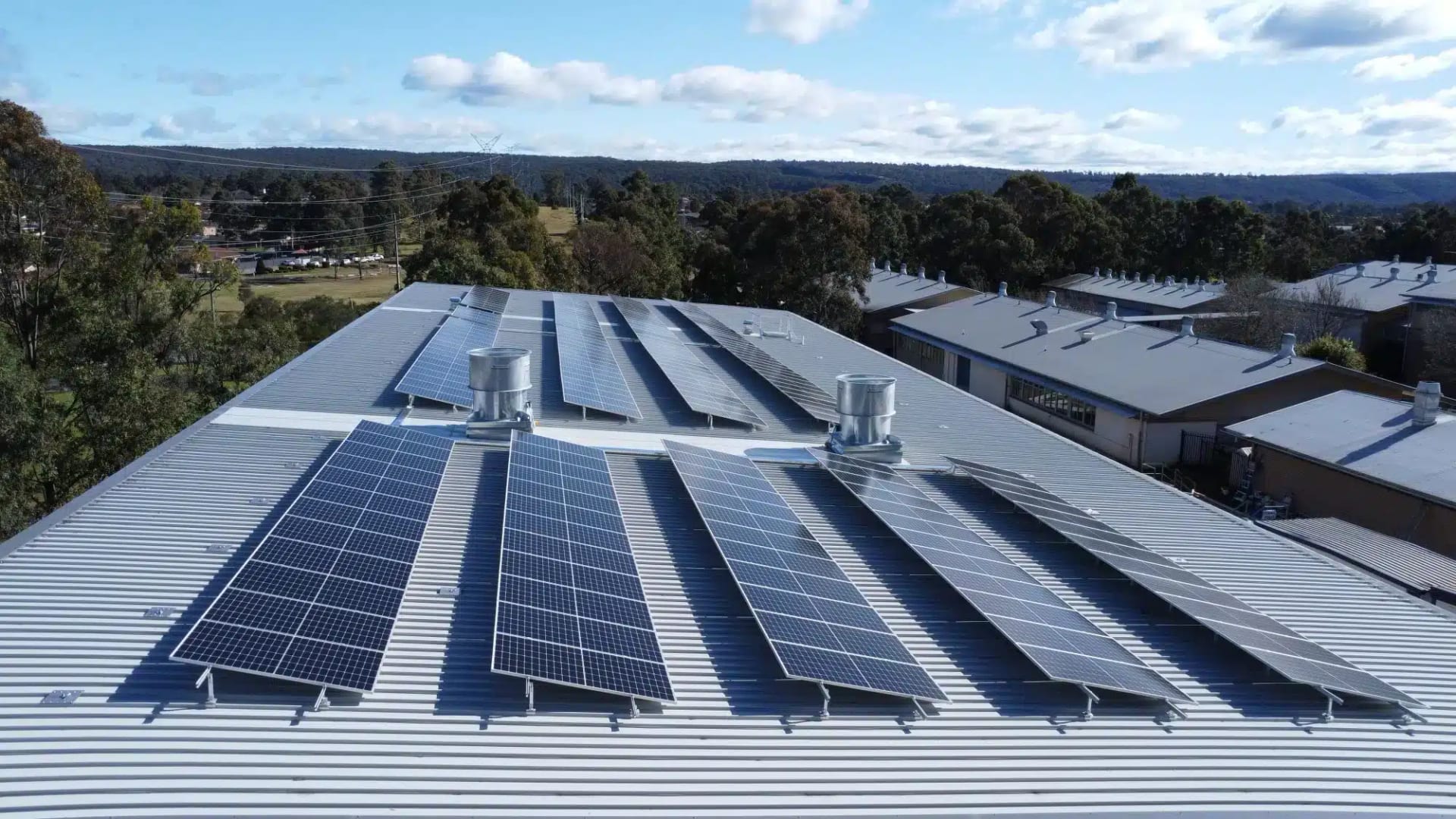
100kW Solar and 280kW Battery Storage Installation: Coppertree Farms
Project Overview
Coppertree Farms, a premium Australian manufacturer and wholesaler of meat and dairy products supplying tier-one fine dining restaurants and hospitality groups, partnered with Solar Galaxy to address the energy costs of continuous production operations. Solar Galaxy designed and installed a hybrid energy system combining 100kW of rooftop solar panels with a 280kW Evo Power commercial battery storage system.
- Solar capacity: 100kW
- Battery storage: 280kW Evo Power
- Inverter capacity: 100kW
- Installation type: Rooftop solar with commercial battery storage
- Client industry: Premium food manufacturing: meat and dairy

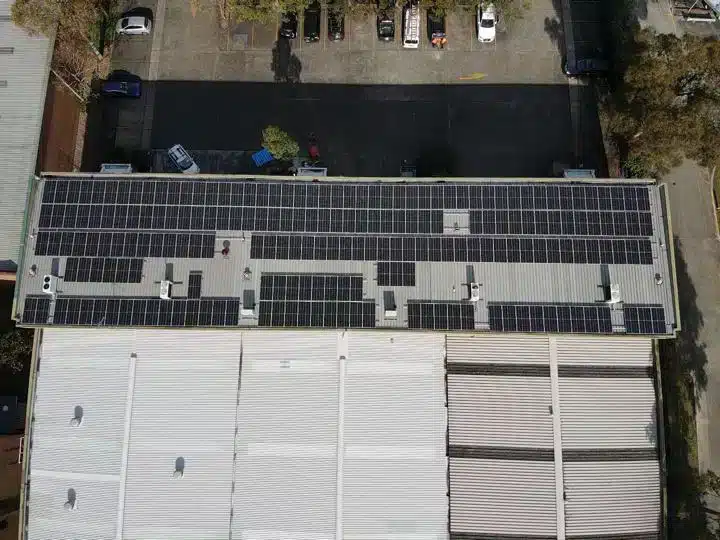
What energy challenge did Coppertree Farms need to solve?
Coppertree Farms’ butter production facility operates cold storage, dairy processing, and packaging equipment continuously, generating substantial electricity consumption around the clock. Solar generation alone could not offset overnight and weekend loads, making battery storage an essential part of any system capable of delivering material electricity cost reductions across the full production schedule.
Food manufacturing facilities face a different electricity cost structure from standard commercial buildings. Cold storage must maintain precise temperatures at all times, including overnight and across weekends when no solar generation is available. Processing and packaging equipment runs in production shifts that may not align perfectly with peak solar hours. The result is a consumption profile that spans 24 hours: high during production, sustained overnight for refrigeration, and largely immune to the intermittency that limits the value of solar-only installations.
For Coppertree Farms specifically, the premium nature of its client base added a second dimension to the energy challenge. A supplier to Australia’s leading fine dining restaurants and hospitality groups operates in a sector where sustainable production practices are an expectation, not a differentiator. Solar Galaxy’s energy analysis of the Coppertree Farms site identified that a hybrid system combining rooftop generation with large-scale battery storage would address both the operational cost problem and the sustainability position the business needed to maintain with its clients.
24-hour consumption profile — battery storage extends solar value beyond daylight hours into overnight cold storage operations
How did Solar Galaxy design the 100kW solar and battery system?
Solar Galaxy designed the Coppertree Farms energy system as an integrated solar and battery installation: 100kW of rooftop solar generation paired with a 280kW Evo Power battery, sized to cover daytime production loads from generation and overnight facility consumption from stored energy.
The design of a hybrid solar and battery system requires energy modelling beyond what a solar-only installation demands. Solar Galaxy’s in-house analysts modelled the facility’s interval-specific consumption data to map generation against load across every hour of the production schedule, identifying the periods where battery discharge would displace the highest-cost grid electricity. The 280kW Evo Power battery storage system was specified at a capacity that covers the facility’s overnight refrigeration and cold storage loads without requiring grid top-up during peak tariff hours.
The battery storage system was designed to operate across 3 modes: direct solar charging from the rooftop system during daylight hours, off-peak grid charging during the lowest-cost tariff periods, and discharge during peak demand windows when grid electricity carries its highest cost. This tri-modal operation maximises the financial return from the battery independently of whether solar is generating, allowing the system to generate value on days with limited sunlight. Solar Galaxy managed all grid connection applications, compliance submissions, and council requirements on behalf of Coppertree Farms throughout the project. The full solar battery installation process, from structural assessment through to commissioning, was handled end-to-end by Solar Galaxy’s project team.
What solar panels and battery storage power the system?
The Coppertree Farms system pairs 100kW of CEC-approved commercial solar panels and 100kW of inverter capacity with a 280kW Evo Power battery storage system. The Evo Power battery stores solar generation and draws from the grid at off-peak rates to cover overnight refrigeration and processing loads.
Solar Galaxy is not affiliated with any specific panel or inverter manufacturer. The solar panel and inverter selection for this project followed Solar Galaxy’s independent assessment of the available CEC-approved products against the Coppertree Farms facility’s roof space, capacity requirements, and long-term performance profile. All panels and inverters used in this installation are CEC-approved, meeting the Clean Energy Council’s requirements for grid connection approval by network operators and for eligibility under government incentive schemes including Small-scale Technology Certificates (STCs).
The Evo Power battery storage system is a commercial-grade lithium battery platform designed for continuous cycling in industrial and manufacturing environments. Unlike residential battery systems, commercial battery storage at this scale is engineered for daily deep discharge cycles across the operational lifetime of the installation. The 280kW capacity provides Coppertree Farms with significant energy flexibility: the system can power overnight cold storage from stored solar energy, shift load away from peak tariff periods, and provide backup generation capacity in the event of a grid interruption. For information on commercial solar battery storage across different scales and applications, Solar Galaxy’s team can advise on the right configuration for your facility’s consumption profile.
What is the environmental impact?
The 100kW rooftop solar system at Coppertree Farms displaces grid electricity across all daylight production hours, reducing the facility’s fossil fuel-generated energy consumption. For a premium food manufacturer supplying the fine dining sector, a documented clean energy position supports the sustainability expectations of restaurant groups and institutional buyers.
The addition of 280kW of battery storage extends the environmental benefit of the solar generation beyond daylight hours. Solar energy stored during peak generation periods and discharged overnight reduces the volume of coal and gas-generated grid electricity the facility draws during darkness and early morning production shifts. This stored-solar displacement is a genuine reduction in grid-sourced emissions, not just a daytime offset that reverts at night.
Over the operational lifetime of the system, the cumulative volume of grid electricity displaced by both the solar generation and the battery’s stored solar discharge represents a sustained reduction in the facility’s Scope 2 emissions footprint. Scope 2 emissions are those produced by purchased electricity: by covering a material share of both daytime and overnight consumption from solar generation and stored solar energy, Coppertree Farms has measurably reduced its exposure to grid-sourced carbon across the full production week.
Key Performance Indicators
100kW
Solar capacity
280kW
Evo Power battery
24hr
Energy coverage
100kW
Inverter capacity
Why did Coppertree Farms choose Solar Galaxy?
Coppertree Farms selected Solar Galaxy to design and install a hybrid system requiring expertise across both rooftop solar and commercial battery storage. Solar Galaxy’s end-to-end delivery model covered both disciplines under a single project team, from energy modelling through installation and post-commissioning monitoring of both assets.
Solar Galaxy’s installers are accredited through Solar Accreditation Australia (SAA), the national body that sets and audits installer standards for grid-connected solar in Australia. Solar Galaxy holds REC Certified Solar Professional status and installs only CEC-approved products. For a food manufacturing facility supplying premium restaurant groups and hospitality businesses, the compliance and accreditation standards Solar Galaxy brings to each project provide the documented installation quality those clients expect from their supply chain partners.
Solar Galaxy’s service team also monitors electricity tariff movements and advises Coppertree Farms when adjustments to the battery’s charge and discharge schedule could improve financial performance as tariff structures change. For a system where the battery’s financial value depends on the timing of discharge relative to peak tariff windows, this ongoing advisory function is part of the long-term partnership Solar Galaxy maintains with each commercial client. Contact Solar Galaxy for a free site inspection and feasibility report tailored to your facility’s energy consumption profile and production schedule.
What financial results has this system delivered?
The 100kW solar and 280kW Evo Power battery system at Coppertree Farms reduces electricity costs through 2 mechanisms: solar generation offsets peak-rate grid purchases during production hours, and battery discharge during peak demand periods eliminates the most expensive grid electricity the facility would otherwise consume.
For a food manufacturing facility with continuous operations, the financial case for battery storage is driven by peak demand management. Commercial electricity tariffs in Australia apply demand charges based on the highest instantaneous grid draw in each billing interval. A 280kW battery system discharging during those peak intervals can substantially reduce the demand charge component of the bill, which for high-consumption manufacturing sites often represents a significant share of total electricity costs.
At 100kW, the Coppertree Farms solar system qualifies for Small-scale Technology Certificates (STCs) under Australia’s renewable energy framework, reducing the upfront cost of the solar component at installation. The battery storage system may also qualify for additional state-based incentives depending on the installation location and the applicable scheme at the time of commissioning. Check current eligibility with your installer before making investment decisions based on incentive revenue, as scheme details change over time. For a full overview of available business solar incentives, see commercial solar rebates in NSW.
Return on investment and payback period for a solar and battery system vary based on the site’s electricity tariff structure, consumption patterns, grid connection type, and the proportion of battery capacity used for demand management versus overnight storage. Contact Solar Galaxy for a site-specific feasibility report that models the financial performance of a hybrid solar and battery system against your facility’s actual interval data.
Ongoing Monitoring & System Performance
Solar Galaxy’s in-house monitoring team continues to track both the solar generation output and the battery storage cycling performance after commissioning, comparing results against the energy model benchmarks set during the feasibility assessment. This dual monitoring covers generation, storage charge cycles, and discharge timing to ensure the system operates as designed across both assets. That ongoing accountability is backed by a workmanship warranty above the industry standard, with Solar Galaxy remaining the single point of contact for any warranty or performance question for the lifetime of the installation.
Frequently Asked Questions About Commercial Solar and Battery Storage Systems
Ready to find out what a commercial solar and battery system could deliver for your facility? Solar Galaxy provides a free site inspection and compares all system configurations to find the right fit for your energy usage and production schedule. Request a free quote today.
What is a hybrid solar and battery storage system?
A hybrid solar and battery storage system combines rooftop solar panels with a commercial battery system at the same site. The solar panels generate electricity during daylight hours. The battery stores surplus generation for use after dark and can also charge from the grid during off-peak tariff periods. Together, the two assets provide a facility with clean energy during the day and lower-cost stored energy overnight, reducing grid dependence across the full 24-hour production cycle.
Why would a food manufacturing facility choose battery storage alongside solar?
Food manufacturing facilities run refrigeration, cold storage, and processing equipment continuously, including overnight when solar generation is unavailable. Solar panels alone only displace daytime grid consumption. A commercial battery system stores surplus solar generation and draws from the grid at off-peak rates to cover overnight loads, extending the cost reduction across the full production schedule and reducing exposure to peak demand charges during high-tariff periods.
How does a commercial battery storage system reduce peak demand charges?
Commercial electricity tariffs in Australia apply demand charges based on the peak grid draw recorded in each billing interval, typically 15 or 30 minutes. A commercial battery system discharges during those peak intervals, reducing the instantaneous grid draw and lowering the demand charge component of the bill. For high-consumption manufacturing sites, demand charges can represent a significant portion of total electricity costs. Battery discharge targeted at peak demand windows addresses this directly.
Do commercial solar and battery systems qualify for government incentives in Australia?
Solar systems under 100kW qualify for Small-scale Technology Certificates (STCs) at installation, which reduce the upfront cost. Systems at or above 100kW qualify for Large-scale Generation Certificates (LGCs) under the Renewable Energy Target. Battery storage incentives vary by state and scheme. Check current eligibility with your installer before making investment decisions based on incentive revenue, as scheme details and values change over time.
What size battery storage system does a commercial food manufacturer need?
The right battery size for a food manufacturing facility depends on the volume of overnight consumption, the facility's peak demand profile, and the proportion of solar generation available for storage. A site with large cold storage and overnight production runs requires more battery capacity than a facility that only needs to cover peak demand intervals. Solar Galaxy's energy analysts model interval-specific consumption data to specify the battery size that delivers the strongest financial return for your site's specific profile.
Other Case Studies
Explore more success stories and discover how we’ve helped other clients achieve their solar energy goals.

10.4kw Solar Power Installation Marsden Park, NSW
10.4 kW installed in Marsden Park, NSW 2765
26 x 400W Trina Vertex Panels
1 x Fronius SYMO 10 kW European made Inverter

10.53kw Solar System Installation in Clovelly, NSW
10.53 kW System
27 x 390w Qcells G9+ Panels
1 x Sungrow 8 kW inverter
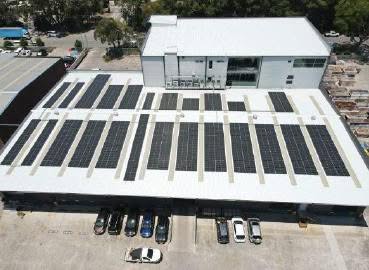
156kW Rooftop Solar Installation: AusDiagnostics, Mascot NSW
System capacity: 156kW
Solar panels: 376 x TW Solar 415W
Inverters: 4 x Sungrow

24.3kw Commercial Solar System Installation at Not Just Curries, Harris Park, NSW
24.3kW
54 x 450W Longi panels
1x Fronius Symo 20kw Inverter

290kW Commercial Solar Installation for Fresenius Medical Care Australia (Sydney)
System Size: 290kW
Solar Panels: 537 × Risen 540W modules
Inverters: 4 × Sungrow commercial inverters
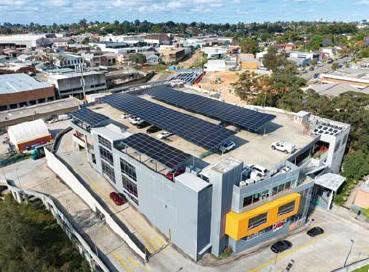
297kW Commercial Solar Carport Installation: Mortdale Plaza, Sydney
System Size: 297kW
Solar Panels: 625 × SunPower 475W
Inverters: 2 × SMA

6.6kw Solar System Installation in Cromer, NSW
6.6 kW installed in Cromer NSW 2099
17 x 390w Hyundai Solar Panels
1 x Sungrow 5 kW inverter

66.43kw Commercial Solar System installed in Evaton Trophies at Mt Kuring Gai NSW
66.43 KW
146 x 455W Longi Panels
1x Sungrow 50 kW Inverter