
Instant Asset Write-Off for Solar Panels & Batteries in Australia
Ends 30 June 2026 - days left
The $20,000 instant asset write-off threshold drops to $1,000 on 1 July 2026. Lock in your solar installations before the end of financial year!
The Write-Off Threshold Is About to Change
Current Threshold
$20,000
Until 30 June 2026
→
New Threshold
$1,000
From 1 July 2026
Limited time remaining - installers booking fast
Under the current rules, eligible small businesses can immediately deduct the full cost of assets under $20,000 - including solar panel systems and battery storage. From 1 July, that threshold drops to just $1,000, meaning most solar systems will need to be depreciated over several years instead.
What Is the Instant Asset Write-Off?
The instant asset write-off is an Australian Government tax measure under the Income Tax Assessment Act 1997 (Division 328) that allows eligible small businesses to immediately deduct the business portion of the cost of an asset in the income year it is first used or installed ready for use. Rather than claiming depreciation over the effective life of an asset (which the ATO sets at 20 years for solar panel systems and batteries), the write-off lets you claim the full deduction upfront - putting money back into your business faster.
For the 2025-26 financial year, the threshold is $20,000 per asset. This applies to each individual asset, so a business could purchase multiple qualifying assets and write off each one. The asset must be:
- Purchased and paid for during the financial year
- First used or installed ready for use before 30 June 2026
- Used for a taxable (business) purpose
- Under the $20,000 threshold (exclusive of GST if registered)
Solar panel systems and battery storage are classified as depreciable assets under ATO simplified depreciation rules. A typical residential or small commercial system - from a 6.6kW system through to a 15kW system - commonly falls well under the $20,000 mark. Battery systems like a 14kWh unit at $4,990 also qualify as separate assets. In practice, this means a business could write off both a solar system and a battery in the same financial year if each is under the threshold individually.
Pricing
6.6 kW + 28 kWh Battery
Perfect for mid-sized homes
From $35 / week
$
9,990 incl. GST
- Tier-1 N-Type High Performance Panels
- Lifetime support included!
- Battery and EV compatible for future upgrades!
- Free Monitoring to track your savings!
- Fast-track installation
13.2 kW Solar System
Best for mid-sized homes
From $25 / week
$
6,990 incl. GST
- Tier-1 N-Type High Performance Panels
- Lifetime support included!
- Battery and EV compatible for future upgrades!
- Free Monitoring to track your savings!
- Fast-track installation
14 kWh Battery
Ideal for smaller homes
From $19 / week
$
4,990incl. GST
- 10 Year Manufacturers
Warranty - Lifetime support included!
- Battery and EV compatible for future upgrades!
- Free Monitoring to track your savings!
- Fast-track installation
Who May Be Eligible to Claim Solar?
Small Business Owners
The instant asset write-off under Subdivision 328-D of the ITAA 1997 applies to small business entities. You may be eligible if:
- You carry on a business and have an active ABN
- Aggregated annual turnover is under $10 million (this includes the turnover of connected and affiliated entities)
- The solar system is used for business purposes - installed on business premises, or proportioned for business use at a home office
- The asset is first used or installed ready for use before 30 June 2026
- The cost is under $20,000 (exclusive of GST if you are GST-registered)
This covers a wide range of businesses: tradies, retail shops, medical practices, cafes and restaurants, warehouses, childcare centres, gyms, and any small business operating from commercial premises.
If the solar system is used partly for private purposes, only the business-use percentage can be claimed. Your accountant can help determine the appropriate split.
Work From Home Professionals
If you work from home, solar may form part of your home office running expenses. The ATO allows two methods for claiming:
- Fixed rate method (67c/hour): Covers electricity, internet, phone, and stationery in one rate. If you use this method, solar is effectively included - you cannot separately claim the panels or battery.
- Actual cost method: Calculate the real cost of running your home office, including a proportion of the solar and battery system's decline in value based on your business-use percentage and floor area.
For those operating a business from home with an ABN (not just employed and working remotely), you may also access the instant asset write-off for the business-use portion of the system.
Since 2020, more Australians work from home than ever before. Solar is particularly effective for WFH professionals because you are consuming power during peak solar generation hours (9am-3pm) - maximising self-consumption rather than exporting to the grid at low feed-in rates.
How to Claim Solar Under the Instant Asset Write-Off
2
Confirm with Your Accountant
Your tax professional can confirm your eligibility and advise on the best claiming method for your situation.
3
Install Before 30 June 2026
We handle the full installation - panels, inverter, wiring, and grid connection. The system must be installed and ready for use before the deadline.
How Much Could Your Business Save?
The financial impact of claiming the full deduction upfront versus depreciating over time is significant. Here is a comparison at the 25% company tax rate:
| System | Cost (Approx.) | Write-Off Now | Depreciation Only |
|---|---|---|---|
| 6.6kW + 14kWh Battery | $7,990 | $1,998 tax saving | $150 tax saving |
| 13.2kW Solar | $6,990 | $1,748 tax saving | $131 tax saving |
| 14kWh Battery | $4,990 | $1,248 tax saving | $94 tax saving |
Depreciation column assumes first-year rate of 15% under the simplified depreciation pool. Figures are illustrative - your actual tax saving depends on your business structure, tax rate, and circumstances. Consult your accountant for precise calculations.
On top of the tax deduction, your solar system also qualifies for Small-scale Technology Certificates (STCs) under the federal solar rebates program - which reduce your upfront purchase price by $2,000-$4,000+ depending on system size and location. The STC discount and the write-off stack together.
Get Your Solar Installed Before 30 June 2026
Request your free solar assessment today. We'll design the right system for your business and schedule installation with time to spare.
Why Solar Is a Smart Business Investment Beyond the Tax Deduction
The instant asset write-off makes the timing ideal - but solar delivers strong returns regardless of the tax benefit. The write-off simply accelerates your payback.
- Electricity prices have risen 20-35% in 3 years - The Australian Energy Regulator has approved significant price increases across NSW, QLD, and VIC. Commercial rates now exceed 30c/kWh in most states. Solar locks in a large portion of your energy costs at zero marginal cost for 25+ years.
- Typical payback of 3-5 years - Most commercial solar systems pay for themselves through electricity savings alone within 3-5 years, delivering free power for the remaining 20+ years of the system life.
- Add battery storage for greater savings - Pair your solar with a commercial battery to store excess generation and use it during peak tariff periods (typically 3pm-9pm), further reducing your grid dependence.
- Increase your property value - Commercial properties with solar command higher valuations and attract tenants who value lower operating costs.
- Demonstrate sustainability - More customers, employees, and stakeholders expect businesses to take measurable action on their environmental impact.
- Federal solar rebates reduce your upfront cost - STCs currently discount your system cost by $2,000-$4,000+ depending on system size and location. State-level incentives may offer additional support depending on your location.
The instant asset write-off is the accelerator - it does not change the underlying investment case for solar, it just makes the first-year cash flow dramatically better.
Important: The information on this page is general in nature and is provided for informational purposes only. It does not constitute tax advice, financial advice, or legal advice, and should not be relied upon as such. Tax laws are complex and individual circumstances vary significantly. We strongly recommend consulting with a qualified accountant, registered tax agent, or financial adviser to assess your specific eligibility for the instant asset write-off and to determine the most appropriate tax strategy for your business. Solar Galaxy is a solar installation company - not a tax advisory firm. All figures, thresholds, and legislative references on this page are based on publicly available ATO information current as of April 2026 and may be subject to change.
Pricing
6.6 kW + 28 kWh Battery
Perfect for mid-sized homes
From $35 / week
$
9,990 incl. GST
- Tier-1 N-Type High Performance Panels
- Lifetime support included!
- Battery and EV compatible for future upgrades!
- Free Monitoring to track your savings!
- Fast-track installation
13.2 kW Solar System
Best for mid-sized homes
From $25 / week
$
6,990 incl. GST
- Tier-1 N-Type High Performance Panels
- Lifetime support included!
- Battery and EV compatible for future upgrades!
- Free Monitoring to track your savings!
- Fast-track installation
14 kWh Battery
Ideal for smaller homes
From $19 / week
$
4,990incl. GST
- 10 Year Manufacturers
Warranty - Lifetime support included!
- Battery and EV compatible for future upgrades!
- Free Monitoring to track your savings!
- Fast-track installation
Ready to Lock In Your Solar Before the Deadline?
Installers book out fast in May and June. Start the process now to guarantee installation before 30 June.
Other Case Studies
Explore more success stories and discover how we’ve helped other clients achieve their goals.
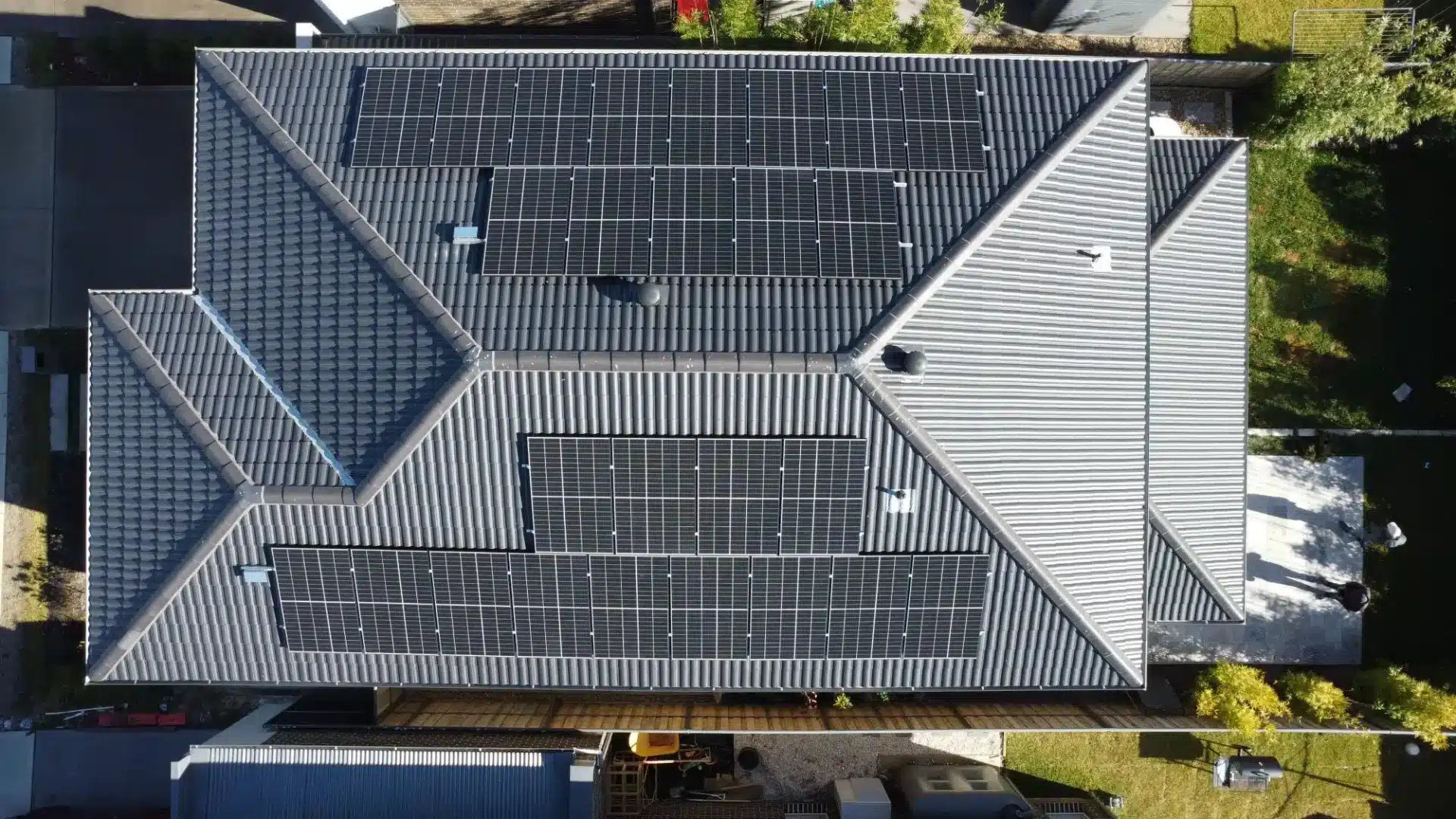
10.4kw Solar Power Installation Marsden Park, NSW
10.4 kW installed in Marsden Park, NSW 2765
26 x 400W Trina Vertex Panels
1 x Fronius SYMO 10 kW European made Inverter
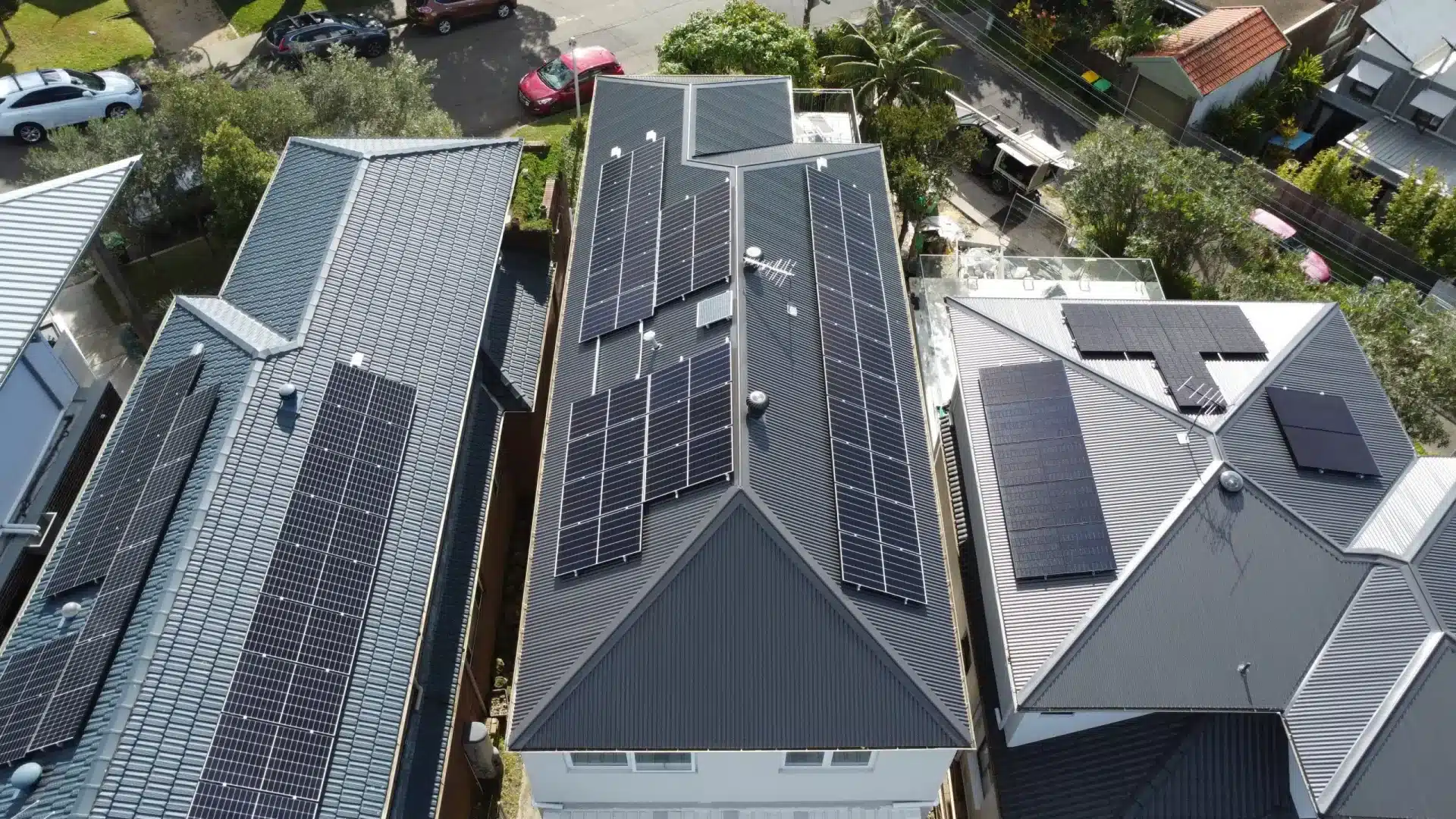
10.53kw Solar System Installation in Clovelly, NSW
10.53 kW System
27 x 390w Qcells G9+ Panels
1 x Sungrow 8 kW inverter
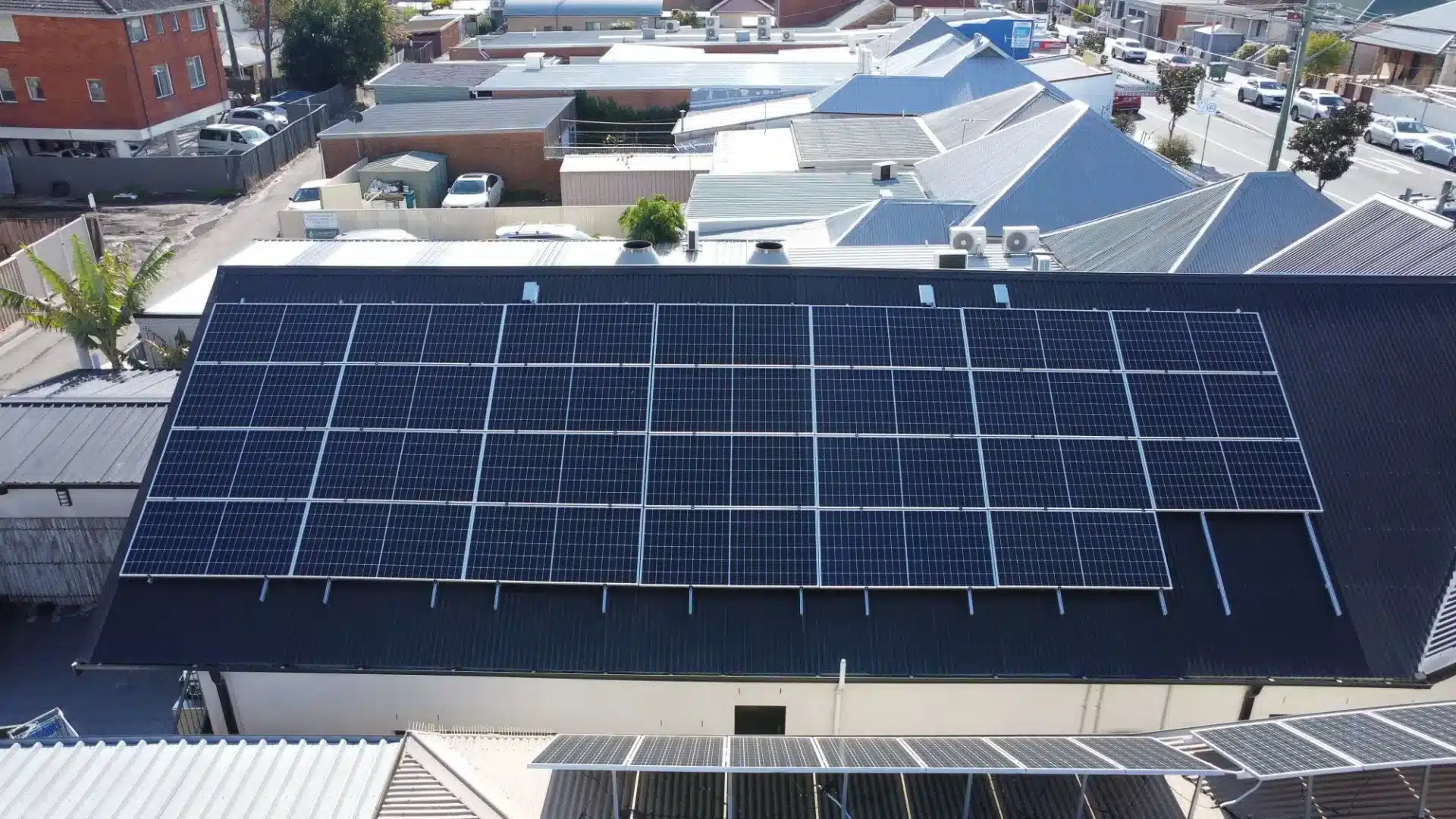
24.3kw Commercial Solar System Installation at Not Just Curries, Harris Park, NSW
24.3kW
54 x 450W Longi panels
1x Fronius Symo 20kw Inverter
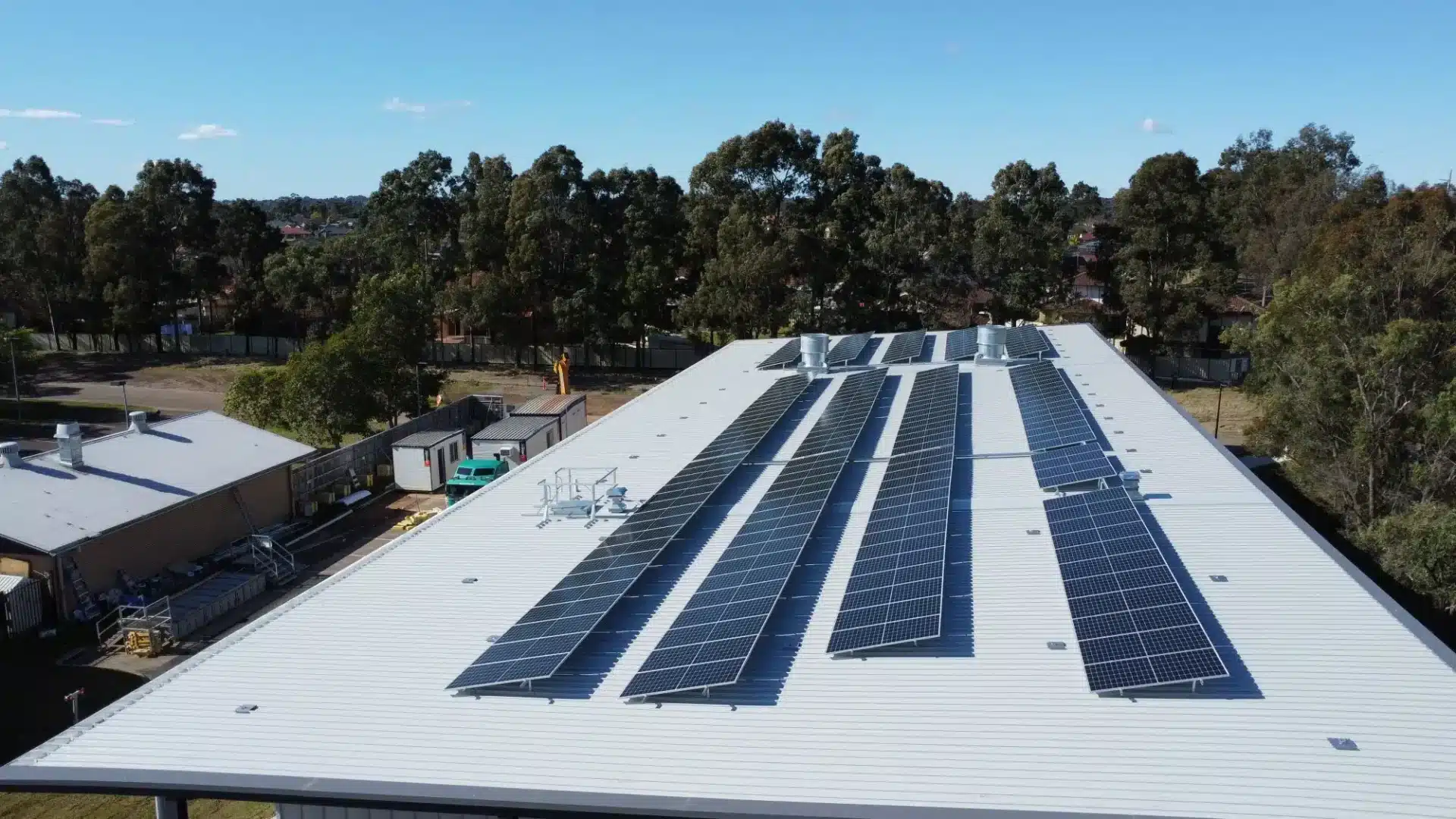
87.36kw Commercial Solar System Installation in Glenmore Park High School
87.36 kW installed in Glenmore Park High School
192 x 455W Longi panels
3 x Fronius ECO 27 kW Inverters
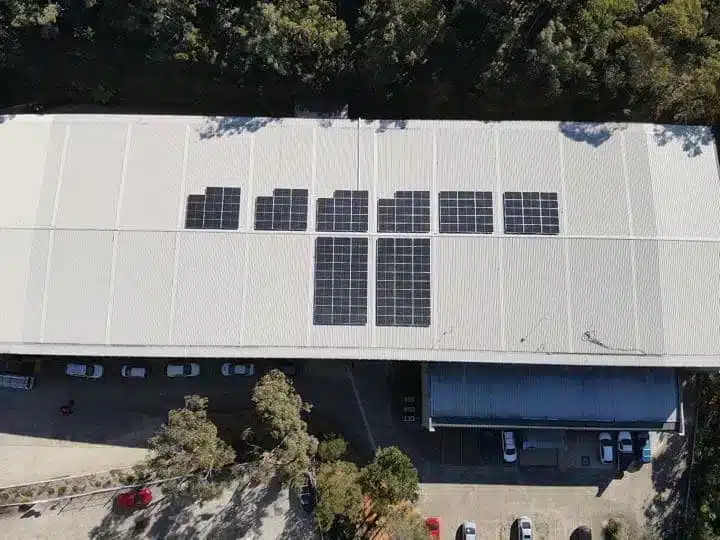
66.43kw Commercial Solar System installed in Evaton Trophies at Mt Kuring Gai NSW
66.43 KW
146 x 455W Longi Panels
1x Sungrow 50 kW Inverter
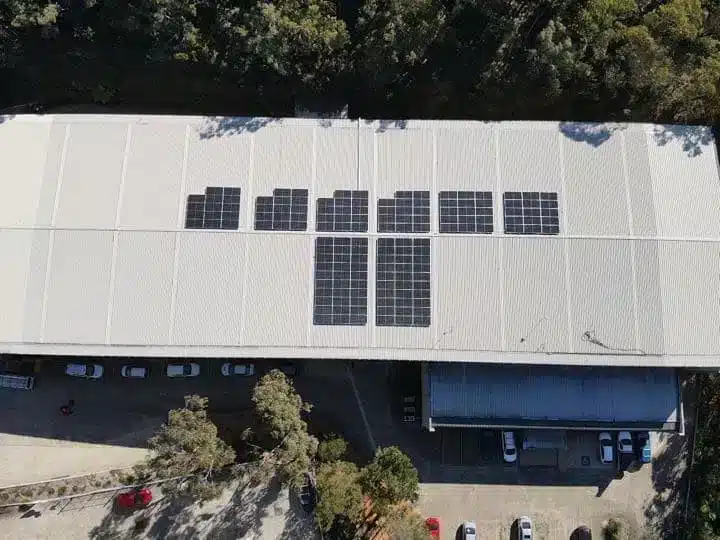
100 kW Solar System Installed At Copper Tree Farms Frenchs Forest
99.5 kW Solar and 280 kWh battery
199 x 500W Risen Panels
2 x Sungrow 50 kW Commercial Inverters1
1 x EVO Power NEO 280 kWh Battery
FAQs - Instant Asset Write-Off for Solar
Common questions about claiming solar panels and batteries under the instant asset write-off, eligibility criteria, and the upcoming threshold changes.
The instant asset write-off allows eligible Australian small businesses (aggregated turnover under $10 million) to immediately deduct the full cost of eligible depreciable assets in the financial year they are first used or installed ready for use. For 2025-26, the threshold is $20,000 per asset. It is governed by Division 328 of the Income Tax Assessment Act 1997. This covers a wide range of business assets including solar panels, battery storage systems, inverters, tools, equipment, and vehicles.
Solar panel systems and battery storage are depreciable assets with an ATO-determined effective life of 20 years. If your business meets the eligibility criteria and the system cost is under the threshold, many Australian businesses are claiming solar and battery systems under this provision. Your accountant can confirm whether your specific circumstances qualify.
Yes - solar batteries are separate depreciable assets. If a battery costs under $20,000, it may also be eligible for the instant write-off as a separate asset. This means a business could potentially write off both a solar system and a battery in the same financial year if each is under the threshold individually.
If you work from home, you may be able to claim a proportion of your solar system's decline in value under the actual cost method for home office expenses. The proportion is typically based on your business-use percentage of the property. If you operate a business from home (with an ABN), you may also access the instant asset write-off for the business-use portion. Speak with your accountant about which method suits your situation.
The solar system must be installed and ready for use by 30 June 2026. This is not just about signing a contract or paying a deposit - the physical installation needs to be complete and the system operational. Based on current demand, Solar Galaxy recommends starting the process at least 8-12 weeks before the deadline. Installers across Sydney, Brisbane, Melbourne, and Perth experience heavy booking pressure in May and June each year.
Yes - the instant asset write-off specifically applies to small business entities carrying on a business with an ABN. Individuals who are employed (even if working from home) access deductions through different provisions of the tax law. Your tax professional can advise on the right pathway.
The threshold drops to $1,000. Solar systems costing more than $1,000 (which is virtually all of them) will need to be placed in the small business simplified depreciation pool and depreciated at 15% in the first year and 30% each year after that. For a $10,000 system, that means claiming approximately $1,500 in year one instead of $10,000 - a significant difference to cash flow.
Yes. Small-scale Technology Certificates (STCs) reduce the purchase price of your system at the point of sale. The instant asset write-off then applies to the net cost you actually paid. The two incentives stack - STCs lower your upfront price, and the write-off provides a tax deduction on what you paid.
The threshold has been temporarily extended multiple times. However, there is no guarantee of another extension, and the current legislation sets $1,000 as the default from 1 July 2026. Making business decisions based on a possible future announcement carries risk - the prudent approach is to act under the current rules.